For many companies in advanced therapies and medical manufacturing, supply chain disruptions were once viewed primarily as operational inconveniences. Delayed shipments, extended lead times, and material shortages were considered manageable exceptions rather than existential risks.
That perspective changed dramatically over the last decade.
At Instant Systems, one of the defining moments came in 2011 following the tsunami in Japan. The disaster disrupted the supply of critical raw materials used across portions of the medical device industry and exposed how dependent many manufacturers had become on concentrated global supply chains. A disruption occurring thousands of miles away suddenly affected production capabilities throughout the industry for months.
It was a reminder that some supply chain vulnerabilities remain invisible until a major event exposes them.
Resilience is built before disruption occurs
One of the most important lessons we learned from the 2011 disruption was that supply continuity cannot be built reactively during a crisis.
By the time a disruption occurs:
- suppliers are already competing for constrained materials
- lead times are already expanding
- logistics networks are already stressed
- reactive purchasing strategies are already too late
Real resilience requires preparation before instability occurs.
That realization fundamentally changed how we approached raw material planning and inventory strategy. We recognized that maintaining strategic reserves of critical raw materials was not excess. It was protection.
In highly regulated industries where consistency and continuity matter, inventory planning becomes part of operational risk management.
How the 2011 disruption changed our approach
The disruptions following the 2011 tsunami forced many companies to reevaluate how they approached supply continuity. At Instant Systems, it fundamentally changed how we planned inventory, protected raw materials, and supported customers in uncertain environments.
At one point during the disruption, we came within approximately two weeks of exhausting a critical material supply. That experience reinforced how vulnerable highly specialized medical supply chains could become when a single upstream disruption affected material availability.
For our leadership team, the lesson was clear: continuity could not depend entirely on lean inventory models and reactive purchasing strategies. In industries where therapies and patient outcomes depend on reliable supply, waiting until disruption occurs is already too late.
As a result, we shifted toward a more protective inventory management strategy focused on:
- maintaining strategic reserves of critical raw materials
- strengthening long-term supplier relationships
- improving visibility into upstream material dependencies
- planning inventory around disruption scenarios, not just normal operating conditions
- collaborating more closely with customers through forecasting and supply agreements
Those supply agreements became especially important because they provided the planning visibility needed to understand what products, materials, and production capacity required protection. They allowed us to plan ahead with customers rather than react alongside them during a disruption.
At the time, some of these decisions may have appeared overly cautious. But we believed continuity planning should be built around protecting customers during low-probability, high-impact events, not simply optimizing for stable conditions.
How that preparation helped protect customers during future disruptions
The value of those operational changes became increasingly clear over the following decade.
During COVID, global supply chains experienced extraordinary instability. Raw material shortages, transportation delays, labor disruptions, and sudden shifts in demand created significant challenges across healthcare manufacturing. Many companies found themselves competing reactively for constrained supply.
Because we had already spent years strengthening supplier relationships, protecting critical materials, and planning inventory more strategically, we were better positioned to support continuity for customers during that uncertainty.
In some cases, we were also able to take on additional responsibilities for organizations that were not existing customers, helping to maintain continuity of supply supporting patient care. That level of responsiveness would not have been possible without the operational changes and inventory planning strategies implemented years earlier.
The same was true during the Suez Canal disruption and other global logistics events that followed. While no company is completely insulated from supply chain instability, the continuity strategies we implemented after 2011 helped us maintain stronger responsiveness and supply protection for customers operating in highly regulated, high-stakes environments.
The continuity customers experienced during later global disruptions was the result of operational decisions and planning strategies intentionally built years earlier.
Continuity planning has become a competitive advantage
Over the last decade, supply chain conversations have evolved significantly.
Organizations are increasingly evaluating suppliers not only on cost and lead time, but also on:
- stability
- responsiveness
- continuity planning
- raw material strategy
- operational transparency
- long-term reliability
This shift reflects a broader understanding that supply chain resilience directly impacts operational performance.
For advanced therapy companies operating in highly regulated environments, supplier preparedness can influence manufacturing continuity, quality planning, and long-term scalability.
The lesson that continues to shape how we operate
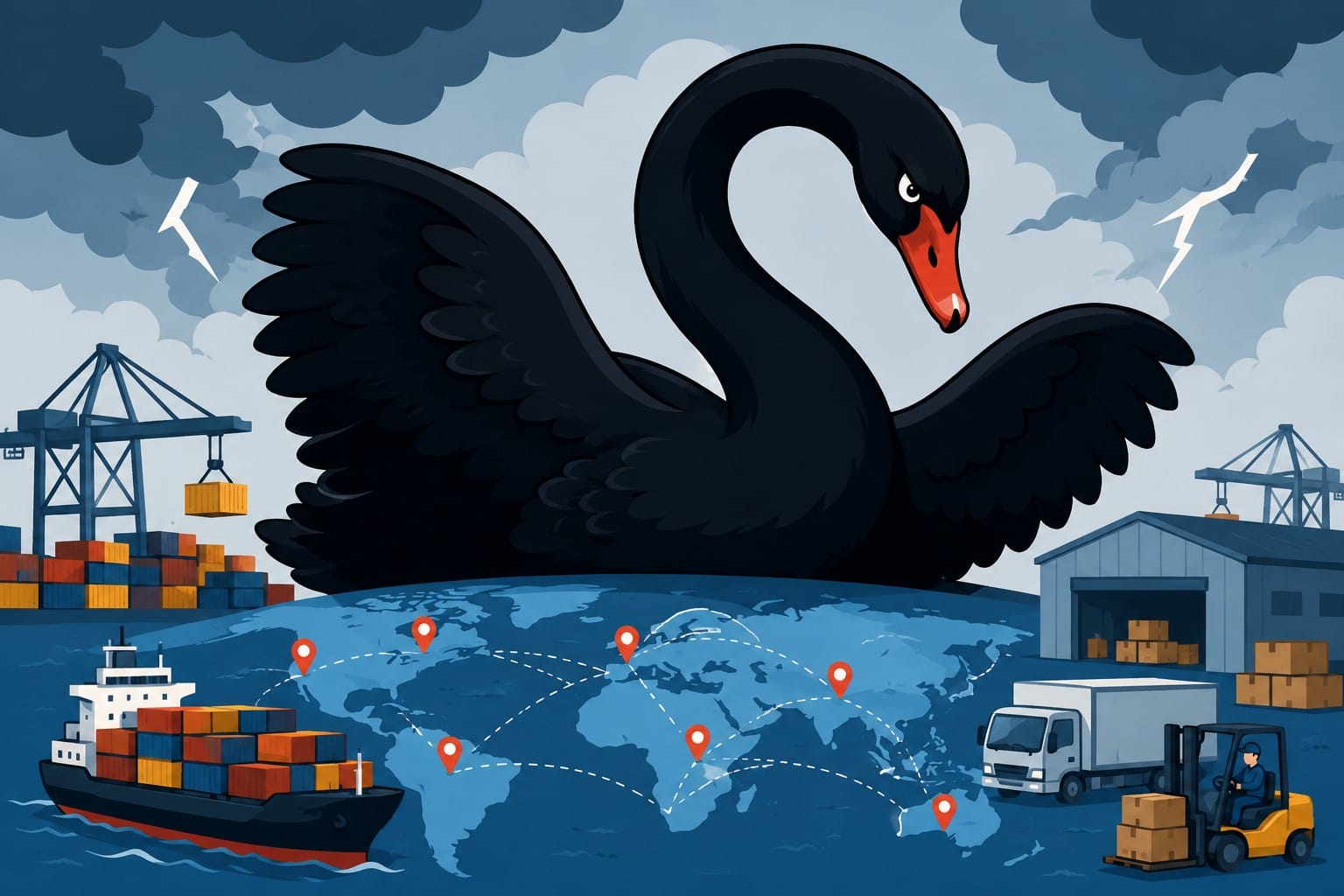
Black Swan events cannot always be predicted. But they can expose which organizations prepared for instability before it arrived.
At Instant Systems, the disruptions of the past decade reinforced an important operational philosophy: continuity should never depend on ideal conditions. It should be intentionally built into supplier relationships, inventory strategy, and long-term planning well before disruption occurs.
The decisions we made following the 2011 tsunami continue to shape how we support customers today. Through proactive raw material planning, strategic inventory protection, strong supplier relationships, and collaborative forecasting with customers, we work to help protect continuity in highly regulated, high-stakes environments where consistency matters.
Because when therapies depend on reliable supply, preparation is not just operational planning, it is part of protecting patients.